If you’re reading this, chances are you work in power distribution, industrial manufacturing, or even facility management—and you’ve stared at a transformer panel radiator with a leak, a bent fin, or a weird rattling sound that just won’t quit. I’m the owner of a transformer panel radiator supply business, and I’ve been there: nothing kills a production schedule or a utility maintenance budget faster than a radiator that’s on its last leg. A lot of folks will tell you to just toss the whole unit and order a new one, but I’m here to show you that most of the time, repairing it yourself (or with a pro’s help) saves you cash, cuts downtime, and keeps your existing transformer running smoothly. Transformer Panel Radiators

First, let’s cut to the chase: transformer panel radiators aren’t fancy space heaters. They’re precision parts made to keep your transformer’s core and windings from overheating. The panel itself is a series of metal tubes (usually aluminum or copper) sandwiched between thin metal fins that blow air across to pull heat away. Most damage happens from three main culprits: physical impact (forklifts, falling tools, construction debris), corrosion from moisture or harsh industrial chemicals, or clogged fins that kill airflow. I’ve seen all three, and I’ve fixed thousands of radiators over the years.
Before you even grab a wrench, stop. Safety first. Transformer panels are connected to high-voltage systems—you don’t want to mess with live wires. Always call a licensed electrician to shut off power to the transformer, drain the oil (if it’s an oil-immersed unit), and tag the panel as out of service. That’s non-negotiable. No exceptions.
Let’s start with the most common repair: fixing a leak. Leaks usually come from pinholes in the tubes, loose fittings, or cracks in the panel’s welds. Here’s how to do it right. First, once the panel is isolated and drained, clean the area around the leak with a wire brush and degreaser—no dirt or oil, because sealant won’t stick to messy metal. For small pinholes, a metal epoxy designed for heat-conductive metals works great. Wait, not your regular hardware-store epoxy—get one rated for 200°F minimum, since transformers run hot. Smooth a thin layer over the hole, let it cure for at least 24 hours (don’t rush this; I’ve seen folks skip the cure time and have the leak come back a week later). If the leak is from a loose fitting, just tighten it with a wrench—but don’t overdo it, that can crack the fitting. If it’s a bigger crack, like a ¼-inch or longer, you might need to weld it. But here’s a pro tip from my team: if the crack is in an aluminum tube, use MIG welding with an aluminum wire designed for thin gauge—stick welding won’t work right here. If you’re not a welder, call a metal fabrication shop; trying to weld a transformer panel wrong can make the leak way worse.
Next up: bent or damaged fins. Fins are what move the air, so if they’re crumpled or bent, your transformer’s gonna overheat fast. I’ve seen a radiator where a forklift took out a third of the fins, and the transformer had to shut down in 2 hours because airflow was cut in half. Fixing fins is easy—all you need is a fin comb. You can get these cheap online, and they’re basically a metal comb with wide teeth. Gently run the comb through the bent fins, working from the top down, to straighten them. Don’t yank too hard—fins are thin and snap easily. If a fin is completely broken, you don’t have to replace the whole panel. You can carefully bend the adjacent fins around the broken one to fill the gap, or use a small piece of aluminum tape (heat-resistant, again) to hold it in place temporarily while you order a replacement fin section. And a quick note: never just leave a gap of missing fins. Even a small gap can reduce airflow by 10% or more over time.
Now, what if your radiator is clogged? Clogs usually come from dust, dirt, or even insect nests building up in the fins or tubes. Over time, that blockage makes the radiator work way harder than it should, which shortens its lifespan. To unclog it, first turn off the power to the transformer, then remove the radiator from the transformer (it’s usually bolted on with four bolts, so that’s easy). Use a low-pressure air compressor (no more than 30 PSI—too much pressure will bend fins or push debris deeper) to blow air through the fins. Blow from the back of the radiator, not the front, to push all the dirt out. If there’s gunk inside the tubes, you can run a small amount of degreaser through the tubes, then flush with water, and dry completely before reinstalling. Pro tip: do this clog check every 6 months if you’re in a dusty factory or a humid area—clogs are way easier to prevent than to fix.
Wait, but when is it time to stop repairing and replace the whole panel? I don’t want you to waste time on a lost cause. If the radiator has multiple leaks (like 5+ pinholes all over), or if the tubes are corroded through in more than two spots, or if the fins are so damaged you can’t straighten most of them, it’s time to order a new one. And that’s where I come in—we supply high-quality transformer panel radiators that fit most standard models, and we can get them to you fast.
A lot of folks ask me, “Why not just patch it and move on?” The answer is simple: a bad repair can lead to a transformer failure, which costs way more than a new radiator. I’ve had a customer who tried to patch a leak with regular epoxy, and the transformer caught fire (thankfully, no one was hurt, but the repair cost him $20k in damage). Don’t cut corners. If you’re not sure if a repair is safe, bring it to us—we do free inspections on damaged radiators, no charge.
Now, let’s wrap this up with a quick step-by-step checklist so you don’t forget anything:
- Isolate the transformer: Turn off power, drain oil, lock out/tag out.
- Inspect the damage: Check for leaks, bent fins, clogs, or corrosion.
- Clean the area before any repair: No dirt or oil on metal surfaces.
- Repair small leaks with heat-resistant epoxy, big leaks with professional welding.
- Straighten fins with a fin comb—be gentle, don’t snap them.
- Clear clogs with low-pressure air compressor, work from the back.
- Know when to replace: Multiple leaks, severe corrosion, unrepairable fins = new radiator time.
Here’s the thing: transformer panel radiators might seem like a tiny part, but they’re the reason your transformer keeps running. A little maintenance and the right repair can make one last twice as long. If you’re not comfortable doing the repair yourself, or if you need a new radiator, hit up our team for a quote. We’re here to get you back up and running fast, no hassle.
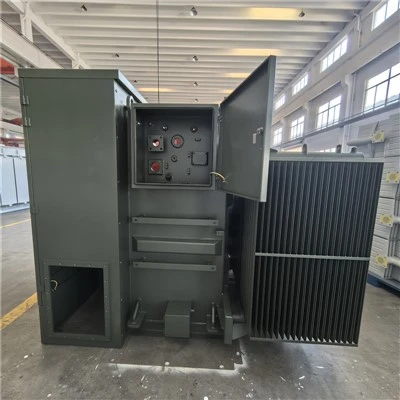
Don’t wait until your radiator fails—small damage turns into big problems quick. Reach out today to talk about your needs, and we’ll hook you up with the right solution.
Transformer Radiators By Surface Treatment References:
- IEEE Guide for Loading Mineral-Oil-Immersed Transformers and Step-Voltage Regulators, IEEE Std C57.91-2011
- “Transformer Cooling Systems: Operation and Maintenance” by the Electric Power Research Institute (EPRI), 2018
- Aluminum Heat Exchanger Repair Guidelines, Air-Conditioning, Heating, and Refrigeration Institute (AHRI), 2020
Nantong Joyue Electrical Technology Co., Ltd.
Nantong Joyue Electrical Technology Co., Ltd. is one of the most experienced transformer panel radiators manufacturers and suppliers in China, featured by quality products and good price. Please rest assured to buy advanced transformer panel radiators made in China here from our factory. Customized orders are welcome.
Address: No.99, Huayuan Avenue, Hai’an City, Jiangsu Province, China.
E-mail: info@joyueradiator.com
WebSite: https://www.joyueradiator.com/
