If you’ve ever found yourself staring at a limping pet at 2 a.m., or fielded frantic calls from clients asking about first aid for a dog with a twisted hind leg, you’ve probably seen vet wrap bandages pop up in the conversation. As a supplier of vet wrap bandages, I get a lot of questions that boil down to one: “Can vet wrap be used for splinting a pet’s leg?” The short answer is yes—but only if you know how to do it right, and only in specific, limited scenarios. Too many people grab a roll of stretchy, self-adhesive wrap from the first aid kit and wrap it tight like they would a human sprained ankle, and that’s where mistakes happen. Let’s break down what vet wrap is, when it works for splinting, when it’s a no-go, and how to do it safely for your pet. Vet Wrap Bandages

First, let’s get clear on what vet wrap bandages actually are. Unlike regular cohesive bandages (which are often made for single-use medical settings), our vet wrap is a self-adhesive, stretchable material that sticks only to itself—not fur, skin, or other surfaces. That’s a key detail: it doesn’t need pins, tape, or clips to stay in place, which makes it a go-to for quick first aid. But that same stickiness and stretch also mean it’s easy to wrap too tight, cutting off circulation. That’s why splinting with vet wrap isn’t as simple as wrapping the injured leg tightly and calling it a day. A proper splint’s job is to immobilize the broken or sprained bone so it doesn’t move, which prevents further damage to nerves, muscles, or blood vessels. Vet wrap can be the holding layer of a splint, but it’s not the rigid splint itself—something I tell customers all the time when they’re shopping for vet wrap bandages.
So when is vet wrap appropriate for splinting? It works best for minor injuries that don’t involve open wounds or compound fractures. Think a mild sprain, a small fracture that’s not sticking out of the skin, or a post-surgery injury that just needs light immobilization. Let’s say your 10-pound terrier chases a squirrel, slips on the deck, and comes up holding his front leg off the ground. You’ve got a roll of our vet wrap in your pet first aid kit, and you’re 20 minutes from the emergency vet. That’s a case where a vet wrap splint can buy you time without making the injury worse. It’s also great for temporary stabilization during transport, as long as you follow a few strict rules.
Now, when is vet wrap a bad idea? This is critical. If your pet has an open wound, a compound fracture (where bone is visible through the skin), or a traumatic injury like a hit-by-car case, do not use vet wrap as a splint. Wrapping it tight can seal in infection from the open wound, and a compound fracture needs immediate medical care—not a home splint. Also, never use vet wrap alone as a splint without a rigid core. I’ve seen people wrap a leg three times with vet wrap and think that’s enough, but stretchy, soft wrap can twist and move with the pet, doing more harm than good. And if you wrap it too tight—say, so tight you can’t fit a finger between the wrap and the skin—you can cause compartment syndrome, where swelling cuts off blood flow to the leg. That’s a fast track to needing amputation, so I always warn customers about that.
Let’s walk through the right way to use vet wrap for splinting, step by step, because missteps here are common. First, assess the injury before you do anything. If your pet is in severe pain, can’t put any weight on the leg, or you see a bone sticking out, skip the home splint and get to a vet immediately. If it’s a minor injury, start by cleaning the area around the wound (if there is one) with mild antiseptic—never get antiseptic deep into the wound, that can damage tissue. Next, prepare the rigid splint material. You can use a thin piece of wood from a craft store, a folded magazine, a piece of plastic from a milk jug, or even a rolled up pool noodle. It needs to be long enough to cover the leg above and below the injury site—for a front leg fracture, that means from the paw up to the shoulder; for a hind leg, from the paw up to the hip. Cut your rigid splint to that length, and pad it with a soft material like gauze or an old t-shirt. This is where vet wrap comes in: it will hold the padded rigid splint in place.
Now, wrap the leg slowly and with the right tension. Start at the paw, not the top of the leg—if you start high and wrap down, you can push swelling toward the paw. Leave the paw exposed so you can check circulation: it should be pink, warm, and your pet should be able to flex the toes a little. As you wrap, pull the vet wrap tight enough that it doesn’t slip, but loose enough that you can slide a finger under the wrap easily. Wrap in a spiral, overlapping about half the width of the vet wrap each time, until the rigid splint is secure. Don’t wrap more than two layers thick—too many layers add unnecessary pressure. Once the splint is on, drive straight to the vet, no detours. Check the paw every 15 minutes on the way: if it’s cold, blue, or your pet is whining when you touch it, the wrap is too tight and needs to be adjusted.
A common question I get from new pet owners is: “How long can I leave a vet wrap splint on?” The answer is never more than 2 to 3 hours, maximum. Vet wrap is designed to be breathable, but even so, sweat and moisture can get trapped against the skin, leading to rashes, sores, or even infection. That’s why our vet wrap is made with a porous, latex-free material to reduce that risk, but it’s still not meant to stay on for days. If your pet does need a longer-term splint, a vet will use a rigid cast or a custom splint that’s changed every few days to check for swelling. Vet wrap is only for temporary, emergency use—this is a detail I make sure to highlight on every product page for our vet wrap bandages.
Another mistake people make is using human vet wrap. Wait, no—human cohesive bandages are different. Human bandages are often thinner and stickier, and they’re not designed for the thickness of a pet’s leg, or for pet fur. Our vet wrap is made with a gentler adhesive that won’t pull fur when you remove it, which is a big plus for pets who hate having their legs touched. It’s also stretchier, so it conforms to the shape of a pet’s leg without constricting too much. That’s why vets themselves often use our vet wrap in clinic settings for minor post-op bandages or temporary splints.
Let’s talk about real-world examples to make this clear. Last month, a customer emailed us saying their 6-month-old golden retriever puppy jumped off a couch and twisted his front leg. They’d just bought our vet wrap for a hiking first aid kit, so they made a rigid splint from a paper towel roll, padded it with an old bandana, and used the vet wrap to hold it in place. They drove 45 minutes to the emergency vet, and the vet said the splint was done correctly—no circulation issues, the fracture was stabilized, no fur was pulled. That’s exactly the kind of use case our vet wrap is made for. On the flip side, a few weeks before that, someone else tried to use vet wrap alone as a splint for their cat’s fractured leg, wrapping it tight three times. By the time they got to the vet, the leg was swollen and cold, and they had to have part of the paw amputated. That’s the kind of horror story that makes me emphasize: vet wrap is not a standalone splint, it’s a holding layer.
I also want to touch on first aid training. You can read every guide on how to use vet wrap for splinting, but nothing beats taking a pet first aid class. I offer free beginner first aid tips on our website, but a formal class will teach you how to properly assess an injury, how to spot signs of compromised circulation, and when it’s time to panic. Many pet owners think they can handle a leg injury at home, but even minor sprains can turn into big problems if not immobilized correctly. Our vet wrap is a great tool for emergency use, but it’s not a replacement for professional veterinary care.
Now, let’s address the elephant in the room: can vet wrap cause skin issues? It’s possible, especially if it’s left on too long, or if it’s wrapped too tight. That’s why we manufacture our vet wrap with a porous, non-irritating material that’s safe for even sensitive skin, and we print clear instructions on every roll that tell people not to leave it on for more than 3 hours, and to check the leg regularly for redness or swelling. We also recommend not wrapping the splint too high up the leg where fur is thick, as trapped moisture can cause matting and irritation. If you do notice redness or a rash after removing the vet wrap, wash the area gently with warm water and a mild soap, and contact your vet if it doesn’t go away in a day or two.
Another use case that surprises a lot of people: vet wrap can be used for splinting tiny pets, like rabbits, guinea pigs, or small cats. These small animals have fragile bones, and a sprain or fracture can be hard to immobilize with standard bandages. Our thin, flexible vet wrap works well here because it’s light enough not to put extra pressure on a tiny leg, but strong enough to hold a small rigid splint (like a craft stick) in place. Just be extra gentle when wrapping, and make sure the splint isn’t too long—small pets can get stressed if they can’t move normally.
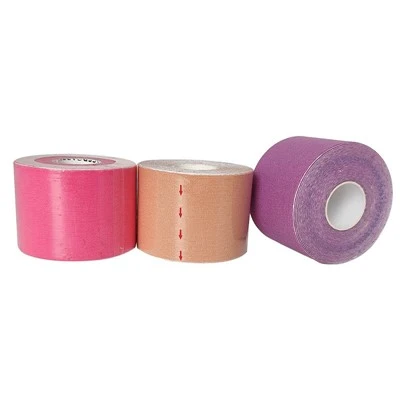
At the end of the day, the key takeaway is this: vet wrap can be used for splinting a pet’s leg, but only if you use it as part of a proper splint system, only for minor, non-compound injuries, only for temporary emergency transport, and only if you do it the right way. It’s not a magic fix, and it doesn’t replace a vet’s care. For pet owners who want to be prepared for emergencies, our vet wrap bandages are an essential part of a pet first aid kit, but I always remind customers to keep their vet’s number saved in their phone, and to get any injured leg checked by a professional as soon as possible.
Cold Compress If you’re a pet owner looking to stock up on vet wrap bandages for your home first aid kit, or a shelter manager or vet clinic in need of bulk supplies, we’re here to help. We offer a range of sizes to fit every pet, from tiny teacup puppies to large Great Danes, and all our products are lab-tested to be safe and effective. Whether you have questions about sizing, proper use, or bulk ordering, our team is ready to assist. To discuss your needs and get a quote, contact us today.
References:
- American Animal Hospital Association. (2022). Pet First Aid Guidelines for Musculoskeletal Injuries.
- International Society of Feline Medicine. (2021. Feline Emergency First Aid and Stabilization.
- Cohesive Bandage Safety in Veterinary Care. (2020). Journal of Veterinary Emergency and Critical Care.
- Small Animal Musculoskeletal First Aid: A Clinical Guide. (2019). Veterinary Journal of Emergency Medicine.
L WELL Medtech Solutions SDN. BHD.
Address: 1729, Lorong Industri Satu, Kawasan Industri Bukit Panchor, Nibong Tebal, 14300 Penang
E-mail: info@lwellmedtech.com
WebSite: https://www.lwellmedtech.com/
