If you’ve ever worked with pressure vessels—whether in energy, chemical processing, or even food and beverage manufacturing—you know how critical it is to keep those components safe. I’m a supplier of ASTM and ASME pressure vessel steels, and I talk to fabricators and plant operators all the time who run into a big headache: embrittlement. It’s that sudden, dangerous drop in toughness that can turn a steel plate that should hold thousands of psi into a liability before you even notice it. Today, I’m breaking down exactly why this happens, based on what I’ve seen in our supply chain and the standards we follow every day. ASTM/ASME Pressure Vessel Steel
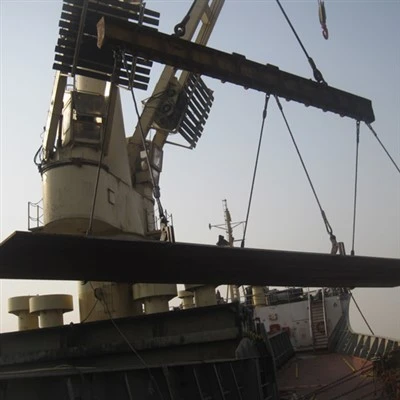
First, let’s start with the basics so we’re all on the same page. ASTM A516, A537, and ASME SA-516, SA-537 are some of the most common steels we supply for pressure vessels, right? They’re carbon-manganese steels designed to handle high pressure and temperature cycles. Embrittlement here is when the material’s ability to absorb energy before fracturing plummets—so instead of bending a little under stress, it cracks clean, brittle, and fast. This isn’t a flaw in the steel itself when you get it from us; most of the time, it’s what happens after the steel leaves our mill, during fabrication, operation, or even improper storage. That’s why it’s so important to catch the causes early, before you end up with a failed vessel.
Let’s dive into the biggest culprits. Number one on the list is something we deal with closely in our steel grades: graphitization. Wait, what’s that? It’s when carbon in the steel turns into tiny graphite nodules instead of staying as fine carbide particles. You’d think carbon is just for strength, but when it clumps into graphite, it creates weak spots—like little voids that grow into cracks under pressure. This usually happens in carbon steels that run at really high temperatures, like above 800°F, over a long period. I remember a client last year who had a storage vessel operating at 850°F for 12 years. They did an inspection and found graphitization embrittlement in the bottom head, and they had to replace it fast. The weird thing? It only happens in carbon steels, not the low-alloy ones we supply like SA-537. That’s one reason we push clients to pick the right grade for their temperature range—we’ve seen way too many issues when someone uses an A516 grade for a high-heat application that’s not designed for it.
Next up is * temper embrittlement*, sometimes called 475 embrittlement? Wait, no, hold on—475 is for ferritic stainless, I mixed that up. Temper embrittlement in pressure vessel steels is when you heat the steel in the range of 500°F to 900°F, and then cool it slowly (or even cool fast after that range, depending on the impurities), and tiny impurities like phosphorus, tin, or antimony settle at the grain boundaries. Those grain boundaries are the “glue” that holds the steel’s grains together. If the impurities stick there, the glue weakens, and the steel becomes brittle. This is super common in the carbon and low-alloy steels we supply, and it’s usually from the heat treatment step during fabrication. Like, if a fabricator heats a vessel shell to normalize it, but they hold it too long in that 500-900°F range, or cool it slowly instead of quenching, boom—temper embrittlement. I once had a fabricator call us panicking because a batch of A516 plates they’d normalized showed low Charpy V-notch impact test results. We traced it back to how they cooled the plates after normalization; they let them air cool in a pile instead of using a controlled cool. That’s a small mistake that causes big problems.
Then there’s * hydrogen embrittlement*. This is a big one for pressure vessels that handle hydrogen gas, or even steels that were pickled in acid during fabrication. Hydrogen is tiny—it can sneak into the steel’s microstructure, especially at defects like inclusions or cracks. Once inside, hydrogen atoms combine to make hydrogen molecules, which build up pressure inside the steel, causing it to crack. I’ve seen this in reactors that process hydrogen for refineries. A client had a new ASME SA-516 vessel installed and within 6 months, it had hydrogen-induced cracking (HIC) from the process gas. The key here? We supply grades with controlled hydrogen content, but if the operating environment has high hydrogen partial pressure, even a small amount of hydrogen in the steel can cause issues. Also, improper welding can make this way worse—if a welder doesn’t use the right electrodes, more hydrogen gets into the steel during welding. That’s why we always tell clients to pair our steel with certified welding procedures specific to pressure vessels.
Another cause is * cold embrittlement*, which everyone sort of knows about, but it’s worth calling out because it’s specific to pressure vessels that operate at low temperatures. ASTM A516 Grade 70 is often used for cryogenic or cold service, but if it’s not the right grade, or if it’s damaged during fabrication, it can get brittle at low temps. Wait, cold embrittlement here is the ductile-to-brittle transition temperature (DBTT) effect. If the vessel operates below the DBTT of the steel, it goes from tough to brittle instantly. For example, a client who had a nitrogen storage vessel for a food plant tried to save money by using A516 Grade 65 instead of the Grade 70 we recommended. The plant is in Minnesota, and during a cold snap, the vessel sprang a crack. The steel’s DBTT was higher than the -10°F the vessel experienced, so it fractured instead of bending. That’s a classic case of not matching the steel grade to the operating conditions—something we always walk clients through when they place an order.
Wait, let’s not forget * intergranular corrosion embrittlement*—this is for vessels that handle corrosive fluids, like acids in chemical plants. When steel is exposed to certain corrosives, especially at high temperatures, chromium carbides can form at grain boundaries, leaving the grain boundaries themselves depleted of chromium. That makes the steel vulnerable to corrosion, and the weakened grain boundaries lead to embrittlement. This is more common in some alloy steels, but even our carbon steels can get it if exposed to, say, sulfuric acid at high temps. A fertilizer plant client had a pressure vessel for ammonium nitrate that failed because of this—they didn’t account for the corrosive process fluid when they selected the steel, so we had to swap their A516 for a slightly alloyed grade that’s more corrosion-resistant.
Now, why does this matter for someone using our steel? At the end of the day, all these embrittlement causes are preventable if you pick the right grade, follow proper fabrication steps, and maintain the vessel correctly. We don’t sell “bad” steel—ASTM and ASME standards require our products to meet strict impact, tensile, and chemistry specs. But what happens after the steel leaves our mill is just as important. Let’s talk about what you can do to avoid embrittlement: First, match the steel grade to your operating temperature and process. If you’re running high heat, don’t use a carbon steel that’s prone to graphitization; if you’re handling hydrogen, go for a grade with low residual impurities that can cause temper embrittlement. Second, control heat treatment during fabrication. Avoid holding steel in that 500-900°F range for too long, use controlled cooling, and make sure welders follow hydrogen-reducing procedures. Third, do regular inspections. Ultrasonic testing and impact tests can catch embrittlement early before it leads to a failure. Last year, we had a client do a routine inspection on a 10-year-old vessel made from our A516, and they caught early graphitization before a crack formed. That’s the kind of thing that saves lives and avoids downtime.
I get it, pressure vessel safety is no joke. Every week, we get calls from fabricators and plant operators who messed up one of these steps and are stuck dealing with a brittle steel issue. That’s why we don’t just supply steel plates and forgings—we give advice on matching the right material for your application, share best practices for fabrication, and even connect you with third-party inspectors if you need them. At the end of the day, our reputation is built on making sure the steel we send you is safe, and that means helping you avoid the mistakes that lead to embrittlement.

If you’re working on a new pressure vessel project, or you’re dealing with a vessel that’s showing signs of brittleness, don’t take chances. We’ve got the ASTM and ASME grades you need, and we can walk you through every step—from selecting the right material to making sure you follow the standards that keep your operations safe. Reach out to us to start a conversation about your project. We’re here to help you get it right the first time.
Abrasion Resistant Steel References
- ASTM International. (2022). Standard Specification for Pressure Vessel Plates, Carbon Steel, for Moderate and Lower Temperature Service (A516/A516M-22).
- ASME Boiler and Pressure Vessel Code. (2023). Section II, Part A: Ferrous Material Specifications.
- International Institute of Welding. (2019). Hydrogen Embrittlement in Welded Steel Structures.
- The Welding Institute (TWI). (2021). Temper Embrittlement in Carbon and Low-Alloy Steels for Pressure Vessels.
Gnee Steel (Tianjin) Co., Ltd.
As one of the most professional astm/asme pressure vessel steel manufacturers and suppliers in China, we also support customized service with low price. We warmly welcome you to buy high quality astm/asme pressure vessel steel in stock here from our factory. If you have any enquiry about free sample, please feel free to email us.
Address: No.4-1114, Beichen Building, Beicang Town, Beichen District, Tianjin, China
E-mail: alloy@gneesteelgroup.com
WebSite: https://www.chinavesselplates.com/
