If you’ve ever stared at a tape measure lined up along a baseboard, panicking because the 16-inch mark looked identical to the 15 ¾-inch mark (and ended up cutting your new shelf too short or long for the third time), you’re not alone. I’ve been selling measuring instruments for over a decade, and let me tell you—accuracy here isn’t just about “being careful.” It’s about knowing what all those tiny lines actually mean, not just guessing. Most folks I talk to think tape measures are for grabbing, stretching, and reading the first big number they see. Nah, that’s where the mistakes start. Let’s break this down like I do for every customer who walks into our shop (or slides into our DMs, these days). Measuring Instruments

First, let’s get the basics out of the way—you can’t read a tape right if you don’t know what all the marks are for, and I’m not just talking about the big, bold numbers. Let’s start with the inch, because that’s the unit most people mess up. Most standard tape measures (the ones we sell, anyway) split each inch into 16 equal parts. Wait, 16? Let me make that simpler: each of those tiny lines between a whole number is a fraction. The longest line between numbers is the half-inch mark, right? That’s the one labeled “½” right next to it, usually a bit thicker than the rest. Then the next longest are the quarter-inch marks, labeled “¼” and “¾”—those are a little shorter than the ½ lines. Then come the eighth-inch marks, half as long as the quarters, and finally the sixteenth-inch marks, the tiny little ones you can barely see if your eyes aren’t great.
Here’s the thing: most people stop at quarters. That’s why their measurements are off by an eighth or a sixteenth, which adds up fast. If you’re building a bookshelf, an eighth of an inch might not sound like much, but if you’re stacking three shelves, that’s ⅜ of an inch total—enough to leave a gap so big your books fall out, or so small you can’t slide the shelf in at all. I’ve seen customers bring back tape measures because they “don’t work right” only to realize they were reading a ⅜-inch mark as a ½-inch. Oops. Pro tip: if you can’t tell which line is which, count the tiny ones between two big numbers. If there are 15 other lines, that means each one is 1/16 of an inch. Easy math, right?
Now, let’s talk about the little notches and marks that most people ignore—like the 16-inch and 19.2-inch marks. Those aren’t random, I promise. The 16-inch marks are for wall studs. Standard home builders space studs 16 inches apart on center, so that mark is there to save you time when you’re hanging cabinets, drywall, or anything that needs to go into a stud. No more measuring 16 inches from the end every time—just line up the 16-inch notch, and boom, you’re on a stud. The 19.2-inch marks? That’s for metric-friendly folks, or wait, no—wait, some tape measures use those for flooring spacing, like when you’re laying laminate and need a random spacing to avoid repeating joints. Either way, if you’re not using those, you’re wasting a huge shortcut. I’ve had a customer who was redoing a whole bedroom and saved an hour just by using the stud marks instead of measuring each time. That’s the kind of thing I love about tape measures—those small details make a big difference.
Next up, the part of the tape that’s actually attached to the case. You know that little metal hook at the end? A lot of people think it’s just there to hook onto the edge of a board, but it’s designed to move. The hook has a little play in it—about 1/16 of an inch, to be exact. If you’re measuring from an outside edge (like the end of a board), you let the hook sit all the way out, because the hook’s thickness counts. If you’re measuring to an inside corner (like the inside of a shelf), you push the hook in until it stops, because that play cancels out the gap. I see so many people forget this—they just pull the tape tight and measure, and they’re off by that 1/16 every time. Last year, a guy came in because his fence panels weren’t lining up, and it turned out he’d been measuring every inside corner with the hook all the way out. That 1/16 per panel added up to a full inch over 16 panels. No wonder his gate wouldn’t close.
Now, accuracy isn’t just about reading the marks—it’s about how you use the tape. Let’s talk about stretching the tape. I know, you want to get a long measurement, so you yank the tape as tight as you can. That’s a bad move. Tape measures are made of a thin metal strip, and when you stretch it tight, it actually elongates—so the numbers on the tape are a little off. For measurements under 10 feet, you want to keep the tape relaxed, just tight enough to not sag. For longer measurements (like 20 or 30 feet), you can pull a little, but even then, most good tape measures (the ones we stock) have a tensile strength that limits that, so you don’t stretch it too much. Also, never let the tape snap back. I’ve seen people get a black eye from a tape that flipped back—seriously, that’s no joke. If you have to let it go, hold onto the case, and don’t stand in the path of the tape.
Another mistake? Reading the tape at an angle. If you line the tape up diagonal to the actual surface, your measurement will be longer than it should be. Think about it: if you want to measure a straight wall, and you hold the tape so one end is on the corner, but the other is a little to the side, you’re going to get a number that’s too big. That’s called parallax error, and it’s super common, especially if you’re working alone. My trick for this? If you’re measuring a long distance, mark one end with a pencil, then go to the other end, hold the tape straight, and double-check the line. If you’re working with someone else, have them hold the end of the tape and stand perfectly straight so the tape doesn’t shift.
Wait, what about metric tape measures? A lot of people I talk to only use inches, but if you’re working with any imported materials, or if you’re in a space that uses metric, you need to know those marks too. Most tape measures have centimeters and millimeters, right? Each centimeter is 10 millimeters, so the long numbers are centimeters, the tiny ones between are millimeters. I’ve had a lot of contractors switch to dual-mark tapes because they work on both residential and commercial jobs—you don’t want to get a shipment of cabinets that’s measured in millimeters and have to guess the conversion.
Let me share a quick test I do with customers to make sure they’re getting it right. Grab a piece of wood that’s exactly 12 inches long. Measure it from one end to the other. If it’s not 12 inches, something’s off—either you read a wrong mark, or you messed up the hook. That’s a good way to check if your tape is accurate too. We calibrate every tape we sell before it leaves the shop, but if you drop your tape a lot, that can bend the hook or stretch the tape, so it’s good to test it every once in a while.
Here’s a pro tip I picked up from a carpenter who’s been in the trade for 40 years: when you’re measuring for a cut, always mark your number on the side of the board that’s going to be the “waste” side. So if you need a board that’s 36 inches, mark 36 inches, and cut on the side of the mark that’s towards the length of the board you want to keep. Wait, no—wait, let me get that right: if you want a 36-inch piece from a 48-inch board, measure 36 inches from the end, and draw the mark on the side where the saw blade will go. That way, even if your measurement is a tiny bit off, the cut will still leave you with 36 inches. A lot of people mark the wrong side, and they end up cutting too short.
I also can’t stress enough about investing in a good tape measure. I see people grab a $5 tape from the hardware store, and it’s faded, the marks are smudged, the hook is loose, and the tape bends if you stretch it over 6 feet. Those cheap ones might work for a quick measurement, but if you’re doing a project that needs to be precise (like building a deck, or a piece of furniture that will last for years), you need a tape that’s accurate. The ones we sell have heat-treated blades so they don’t stretch, clear marks that don’t fade, and a hook that’s secured tight so the play is exactly 1/16 inch. I’ve had customers use our tape for 10 years and still say it’s as accurate as the day they bought it.
Let’s wrap this up, because I know you’re probably already thinking about the next project. The key points here are: don’t just read the big numbers—learn all the marks, including the 1/16, 1/8, 1/4, and 1/2 inch ones. Use the metal hook right, pay attention to that 1/16 inch play. Watch for parallax error, don’t yank the tape too tight, and use the stud marks if you’re working on a wall. And for the love of all things, invest in a good measuring tape—your projects will thank you.
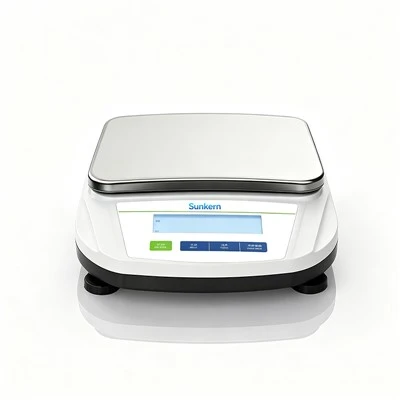
If you’re gearing up for a big project, or you’ve been using a tape that’s been giving you headaches, we’ve got a range of high-accuracy measuring instruments, from standard 25-foot tapes to heavy-duty ones for construction jobs, that are calibrated to the highest standards. No guesswork, no faded marks, no flimsy hooks. Whether you’re a weekend DIYer or a seasoned contractor, we’ve got something that’ll make your measurements way more accurate. Hit us up to chat through what you need, and we’ll help you pick the right tool for your project. It’s way better than wasting time on a project that’s off because of a bad measurement.
Magnetic Hotplate Stirrer References:
- National Institute of Standards and Technology. (2021). Accuracy Specifications for Linear Measuring Devices.
- American National Standards Institute. (2019). Standard for Tapeline Measurements for Construction and Woodworking.
- Woodworking Network. (2022). Common Measuring Mistakes and How to Fix Them.
- International Organization for Standardization. (2020). Dual-Unit Linear Measurement Standards for Consumer and Industrial Products.
Qingdao Sunkern Technology Co., Ltd.
As one of the most professional measuring instruments manufacturers and suppliers in China, our products have good reputation in the market. Please feel free to buy advanced measuring instruments at competitive price from our factory. Contact us for more details.
Address: Room 1008, Building B, NO.82 Chunyang Road, Chengyang District, Qingdao
E-mail: surnkern@sunkerntech.com
WebSite: https://www.sunkerntech.com/
