If you’ve ever stood next to a first responder during a fire drill, you’ve probably watched that heavy, bright red fire hose roll off its cart with a precise thud, or seen it stretch out perfectly without a single kink. As a supplier of general fire hoses, I’ve been around these pieces of equipment for more than a decade, and I can tell you: most damage to fire hoses isn’t from the heat of a fire or rough flames—it’s from small, avoidable mistakes that happen every day, during storage, handling, or even routine testing. General Fire Hoses
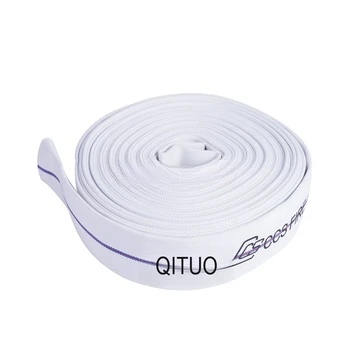
When we ship hoses to fire departments, industrial facilities, and even residential fire brigades, we test each one for pressure resistance, flexibility, and material durability. But I’ve also seen a brand-new hose go from working perfectly to leaking or bursting in less than a year, all because of how it was handled when no one was paying attention. This isn’t just a hassle—it’s a safety issue. A damaged hose can delay response times, weaken water flow, and put lives at risk when every second counts.
Let’s start with what makes a good general fire hose in the first place, because understanding the design helps you understand how to handle it. Most standard general fire hoses are made of synthetic rubber or woven polyester jackets coated with a waterproof lining. The jacket gives it strength to withstand high water pressure, and the lining prevents water from seeping through and damaging the internal structure over time. Simple, right? But even the best design won’t hold up if you drag it over sharp concrete, fold it incorrectly, or leave it in direct sunlight for months.
The first and most common mistake we see is dragging hoses instead of carrying or rolling them. A lot of people grab a hose by one end and pull it across a parking lot or down a hallway to set it up at a fire scene. That’s fast, but if the ground has even a small piece of gravel, broken glass, or a rusted nail, the woven jacket will catch on the sharp edge and tear, or the inner lining will get scratched. Scratches might seem minor at first, but when the hose is under pressure during a fire, water will seep through those tiny scratches and weaken the jacket from the inside. We had a customer last year who lost a brand-new 50-foot hose this way: they dragged it over a construction site with leftover rebar ends, and by the time they connected it to the hydrant, there was a 2-inch tear along the entire length. That hose would have been fine if they’d rolled it or carried it, no problem.
If you do have to move a hose over uneven ground, the right way is to lift sections, not drag. For a standard 50-foot general fire hose, that means two people: one at each end, lifting a 10-foot section at a time, or rolling the hose onto a flat hand truck if you’re moving it a long distance. Never pull it tight across the ground; keep it loose enough that it doesn’t catch on anything. And if you have to stretch it out during a fire drill or actual incident, don’t yank it. Let it unfurl naturally as you move back from the water source. Kinks are another big enemy here—if a hose twists into a knot, the pressure at that kink point can become three times higher than normal, and even a minor kink will wear the lining thin in weeks.
Next up: storage. This is where most long-term damage happens, and it’s so easy to get wrong. I’ve seen hoses stored rolled up in a sun-drenched corner of a fire station, left on the ground under a leaky pipe, or stuffed into a cramped storage closet where it gets crushed by other equipment. Let’s break down storage basics. First, general fire hoses should be stored in a cool, dry place, away from direct sunlight. UV rays from the sun break down synthetic rubber and polyester over time, making the jacket stiff and brittle. We once sold a batch of hoses to a small town that stored them on an outdoor rack all year; by the end of the summer, half the hoses were so stiff they cracked when they were unrolled for a drill. The manufacturer’s rating said they had a 10-year lifespan, but they were unusable in 6 months.
If you’re storing hoses rolled, don’t roll them too tight or too loose. A tight roll will cause stress on the inner lining, especially for larger hoses, and a loose roll will get messy and kink when you try to unroll it. The standard for most general fire hoses is a roll diameter of about 12 inches for 50-foot hoses—just firm enough to hold shape, but not so tight you can’t bend it without resistance. Never store hoses on the ground; elevate them on racks or shelves to keep them off damp floors. Dampness leads to mold and mildew, which eats away at the jacket fibers and creates weak spots. If you notice a fuzzy or discolored patch on a hose when you unroll it, that’s mold, and it’s a sign it was stored in a too-wet place. We always recommend air-drying hoses thoroughly after use before storing them, but make sure you don’t hang them over a sharp hook—hooks can puncture the lining just like dragging over gravel. Instead, lay them flat on a rack or hang them on a soft hanger made of nylon, not metal.
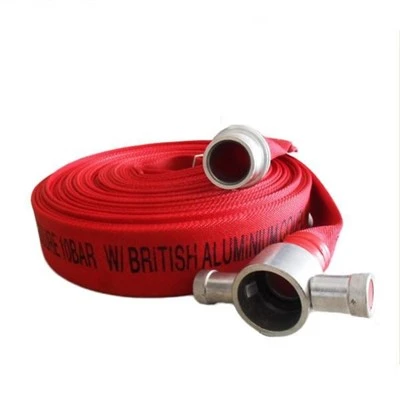
Then there’s testing and maintenance, which is where small issues turn into big damage. Most fire departments test their hoses annually, but I’ve seen people skip smaller checks because they think a hose looks fine. Before every use, do a quick visual inspection: run your hands along the entire length of the hose, feel for cuts, scratches, or bulges, check the couplings (the metal ends that connect hoses together) for rust or bent threads. Rust on couplings can transfer to the inner lining when you connect the hose, causing small punctures over time. If a coupling is bent, it can catch on other hoses when you unroll it, leading to tears. When testing, always use the pressure rating specified for your general fire hose—over-pressurizing a hose that’s not designed for high pressure is a surefire way to cause a burst. We label each hose with its maximum pressure (usually 150 psi for standard general hoses, though industrial hoses can be higher), and we always tell customers not to exceed that.
Another mistake we see is misaligning couplings when connecting hoses. If you twist two couplings together forcefully, instead of lining them up straight, you can strip the threads or put stress on the hose where it meets the coupling. That stress point is one of the most common places a hose will leak or burst. The rule of thumb here is hand-tight, then a quarter turn with a wrench—never use too much force. If you have trouble connecting two hoses, check that the couplings are clean and free of dirt or debris first; debris can make them misalign, leading to unnecessary strain.
What about when a hose does get damaged? A lot of people try to patch small tears themselves, and that’s a problem. Improper patching can create a weak spot that bursts when pressure is applied. We always recommend that minor tears (less than 1 inch) be inspected by a professional, and larger tears or punctures should be replaced entirely. We supply repair kits for small, non-structural damage, but they’re meant for temporary fixes only—never rely on a patch as a long-term solution.
I talk to customers every week who say, “Why does my hose keep getting damaged so fast?” And more often than not, it’s not the fault of the hose itself—it’s the handling. A general fire hose is built to last, but it’s not indestructible. It’s designed to withstand the heat and chaos of a fire, not to be dragged across concrete, left in the sun, or stuffed into a closet. The small, daily habits are what keep hoses working when they’re needed most.
If you’re responsible for purchasing general fire hoses, or managing a team that handles them, remember this: proper handling saves you money in the long run. A well-cared-for hose can last twice as long as one that’s misused, which means fewer replacements, less downtime, and most importantly, a reliable tool when an emergency happens. When we supply hoses, we don’t just sell a piece of equipment—we offer guidance on how to keep that equipment working. That’s why so many of our customers come back, and that’s why we care so much about proper handling practices.
If you’re ready to invest in high-quality general fire hoses for your department, facility, or brigade, or if you have questions about care and maintenance, feel free to reach out. We’re here to help you find the right hoses for your needs and make sure you get the most out of every piece of equipment you rely on.
Fire Hose Reels and Accessories References
- National Fire Protection Association. (2022). Standard for the Care, Maintenance, and Service Testing of Fire Hoses (NFPA 1962).
- Fire Equipment Manufacturers Association. (2021). General Fire Hose: Handling and Storage Guidelines for Industrial and Municipal Use.
- Journal of Fire Protection Engineering. (2020). Effects of Storage Conditions on Synthetic Rubber Fire Hose Durability.
- Occupational Safety and Health Administration. (2019). Safety Standards for Fire Hose Handling in Emergency Response Operations.
Taizhou Qituo Fire Fighting Equipment Co., Ltd.
As one of the most professional general fire hoses manufacturers and suppliers in China, we also support customized service. We warmly welcome you to wholesale bulk advanced general fire hoses made in China here from our factory. If you have any enquiry about quotation, please feel free to email us.
Address: Room 401, Unit 1, Building 4, Jinhua Garden, Sanshui Avenue, Tianmushan Subdistrict, Jiangyan District, Taizhou City, Jiangsu Province
E-mail: sales@qtfire.com
WebSite: https://www.qtfire.com/
