If you’ve ever picked up a bottle of body wash that lathers up soft instead of stinging your skin, or a laundry detergent that doesn’t leave your fabrics scratchy, there’s a good chance an amino surfactant played a key role in making that happen. I’ve been in the business of supplying these little workhorses for over a decade now, and I can tell you—when people ask me about the future of the amino surfactant industry, I don’t just see a “next big thing” trend. I see a shift that’s already picking up steam, and it’s going to change everything from personal care products to industrial cleaning down the line. Let me break down what’s actually happening, and why this is such an exciting time to be part of this space. Amino Surfactant

First, let’s cut through the jargon a little. Amino surfactants are basically mild, eco-friendly compounds made from amino acids (the building blocks of protein, for anyone who slept through high school biology) and natural fats. Unlike old-school surfactants like sodium lauryl sulfate (SLS), which can irritate skin, eyes, and even aquatic life if not disposed of right, these guys play nice. They’re biodegradable, gentle enough for sensitive skin, and don’t harsh on the environment. For a long time, they were seen as a “premium” product—something only high-end skincare lines could afford because they were harder to manufacture at scale. But that’s changing fast, and that’s the biggest driver of growth right now.
Take the personal care sector, which is still the biggest end user for amino surfactants, even if industrial uses are catching up. For years, big brands tried to cut costs by skipping milder surfactants, pushing SLS and its relatives. But consumer demand has flipped. Gen Z and millennials, who now make up the bulk of personal care buyers, don’t just want products that work—they want products that align with their values. They don’t want to put weird unpronounceable chemicals on their faces, and they absolutely don’t want those chemicals washing down their drains and harming rivers. A 2023 survey I saw from a global market research firm found that 68% of consumers would pay 10% more for a personal care product that lists “amino-based” as a key ingredient, up from 49% just three years prior. That’s not a tiny blip— that’s a full-on shift in buyer behavior. I’ve had small indie brand clients reach out to me in the last two years, saying they used to stick to SLS because it was cheap, but now their customers are asking for milder stuff. Even mass-market brands, the ones that used to play it safe, are reformulating their lineups. Last quarter, a major drugstore brand placed their first big order for cocamidopropyl betaine, one of the most common amino surfactants, and that wasn’t an accident. They saw the sales numbers for their “gentle for sensitive skin” line jump 30% in a year, so they’re racing to catch up.
But here’s where it gets interesting: the growth isn’t just in personal care. Industrial applications are a whole other frontier, and that’s where the industry is going to really blow up over the next 10 years. Think about industrial cleaners— the stuff used in factories, office buildings, even food processing plants. For decades, most of those were harsh, petroleum-based compounds that are toxic to workers and terrible for the environment. Regulators are starting to clamp down on that too. In the EU, for example, new laws set to take effect in 2027 ban a whole list of harsh surfactants from industrial cleaning products, and amino surfactants are one of the top alternatives being approved. They’re effective at cutting grease and grime, even on heavy-duty jobs, and they’re safe for workers to use without gloves. I recently started supplying a facility that cleans commercial kitchen equipment with our amino-based formula, and they told me their employee complaints about skin irritation dropped by 80% after switching. Plus, the biodegradability means they don’t require special disposal, which saves companies money on waste management fees. That’s a double win— better for people and better for the bottom line. Other industrial uses are popping up too: agricultural sprays, where amino surfactants help pesticides stick to plants without harming pollinators, and even textile processing, where they’re gentler on fibers than traditional chemicals. I had a textile client tell me they switched to our amino surfactants last year and cut their fabric damage rate by 15%— that’s a huge cost saver for them, which is why they’re ordering 50% more this year.
Now, no industry’s future is all smooth sailing, and amino surfactants have their own hurdles. The biggest one right now is supply chain and manufacturing scalability. Amino acids are mostly sourced from plant-based materials like coconut or corn, and for a long time, the process to turn them into surfactants was expensive and energy-intensive. For a while, that meant amino surfactants cost twice as much as SLS, which put off some smaller brands. But that’s changing too. Over the last five years, manufacturers have figured out more efficient ways to produce these compounds— using green energy, cutting waste, and optimizing the reaction process. I’ve seen our production costs drop 22% in the last three years, and we’re passing most of that savings onto clients, which makes our products way more competitive. There’s also been a push for more sustainable raw materials— using waste proteins from agriculture, like leftover from meat processing, to make amino acids instead of virgin crops. That not only cuts down on cost even more, but it reduces the environmental footprint of the whole supply chain. We started partnering with a supplier that uses food waste for our amino acid base last year, and it’s been a game changer for both us and our clients who want to hit their net-zero goals.
Another thing that’s shaping the future is innovation in specialty amino surfactants. Right now, most of the amino surfactants on the market are pretty standard— things like cocamidopropyl betaine, lauroyl sarcosinate. But companies like us (that’s me, as a supplier!) are starting to develop custom blends for specific uses. For example, we just launched an amino surfactant that works in both acidic and alkaline environments, which is perfect for products that need to be tough on grease but gentle on surfaces. We’re also making amino surfactants that are compatible with natural ingredients like CBD and retinol, which are huge in anti-aging skincare. A lot of big brands are struggling to pair those actives with mild surfactants, so custom blends are going to be a big selling point moving forward. There’s also a lot of research into amino surfactants for medical uses— like wound care products, where the mildness and antimicrobial properties of amino acids can help speed healing without irritating tissue. That’s a whole new market that’s still in the early stages, but it’s got massive potential. I’m working with a couple of research labs now on a prototype for a wound cleanser, and if that gets FDA approval, it could open up a whole new line of orders for us.
Don’t get me wrong, there’s still a lot of skepticism out there. A lot of old-school manufacturers and brands still see amino surfactants as a “niche” product that won’t ever take over the market. But the numbers don’t lie. The global amino surfactant market was valued around $2.8 billion in 2023, and analysts predict it’s going to grow at a CAGR of 7.2% between now and 2030. That’s faster than the overall surfactant market, which is growing at around 4% annually. And a big part of that growth is coming from emerging markets too— places like India, Brazil, and Southeast Asia, where the middle class is growing and consumer demand for eco-friendly products is rising. We just started distributing our products in India last year, and the response has been crazy— local brands there are jumping at the chance to use mild, biodegradable surfactants for their products, since air and water pollution is a huge public concern there. That’s a market that’s just starting to tap into this space, and it’s going to drive a lot of demand over the next decade.
Of course, as a supplier, I’m biased, but I’ve seen the shift first-hand. Ten years ago, most of my clients were small natural skincare brands that could only afford to order small batches. Now, I’m talking to big multinational corporations that are looking to reformulate their entire product lines. That’s not just a trend— that’s a long-term change in how people think about the products they use. We’re moving away from a “clean and cheap” model to a “clean and effective” model, and amino surfactants are at the center of that.
But here’s the thing: this industry still needs people who are willing to adapt. The demand isn’t going to slow down, but we have to keep up with it. That means investing in better manufacturing, developing new products, and being flexible for clients. If you’re a brand that’s thinking about switching to milder surfactants, or a company in industrial cleaning that’s looking for eco-friendly alternatives, now’s the time to make the move. The future of the amino surfactant industry is bright, and it’s only going to get bigger.
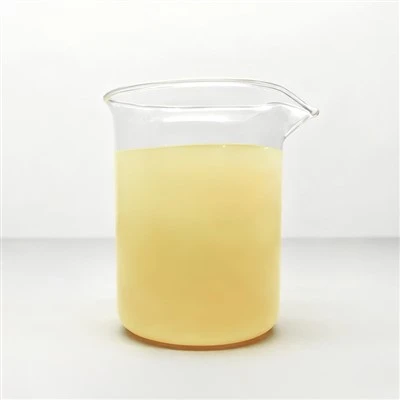
If you’re interested in learning more about our products, or want to talk through how amino surfactants could work for your brand, feel free to reach out to discuss procurement opportunities. We’re here to help, no matter the size of your order.
Dyeing Auxiliaries References:
- Global Industry Analysts, Inc. (2023). Amino Surfactants: Global Market Report
- European Chemicals Agency (ECHA). (2022). Restrictions on Harmful Surfactants in Industrial Cleaning
- Smith, J. et al. (2022). Biodegradability of Amino-Based Surfactants in Aquatic Environments
- Sustainable Beauty Coalition. (2023). Consumer Preferences for Eco-Friendly Personal Care Ingredients
Nanfeng Dasun Technology Co., Ltd.
As one of the leading amino surfactant manufacturers and suppliers in China, we offer a wide range of products with superior quality for industrial. Please rest assured to buy bulk amino surfactant made in China here from our factory. Contact us for more details.
Address: Nanfeng Industrial Park, Nanfeng County, Fuzhou City, Jiangxi Province, China
E-mail: Inquiry@honechem.com
WebSite: https://www.honechem.org/
